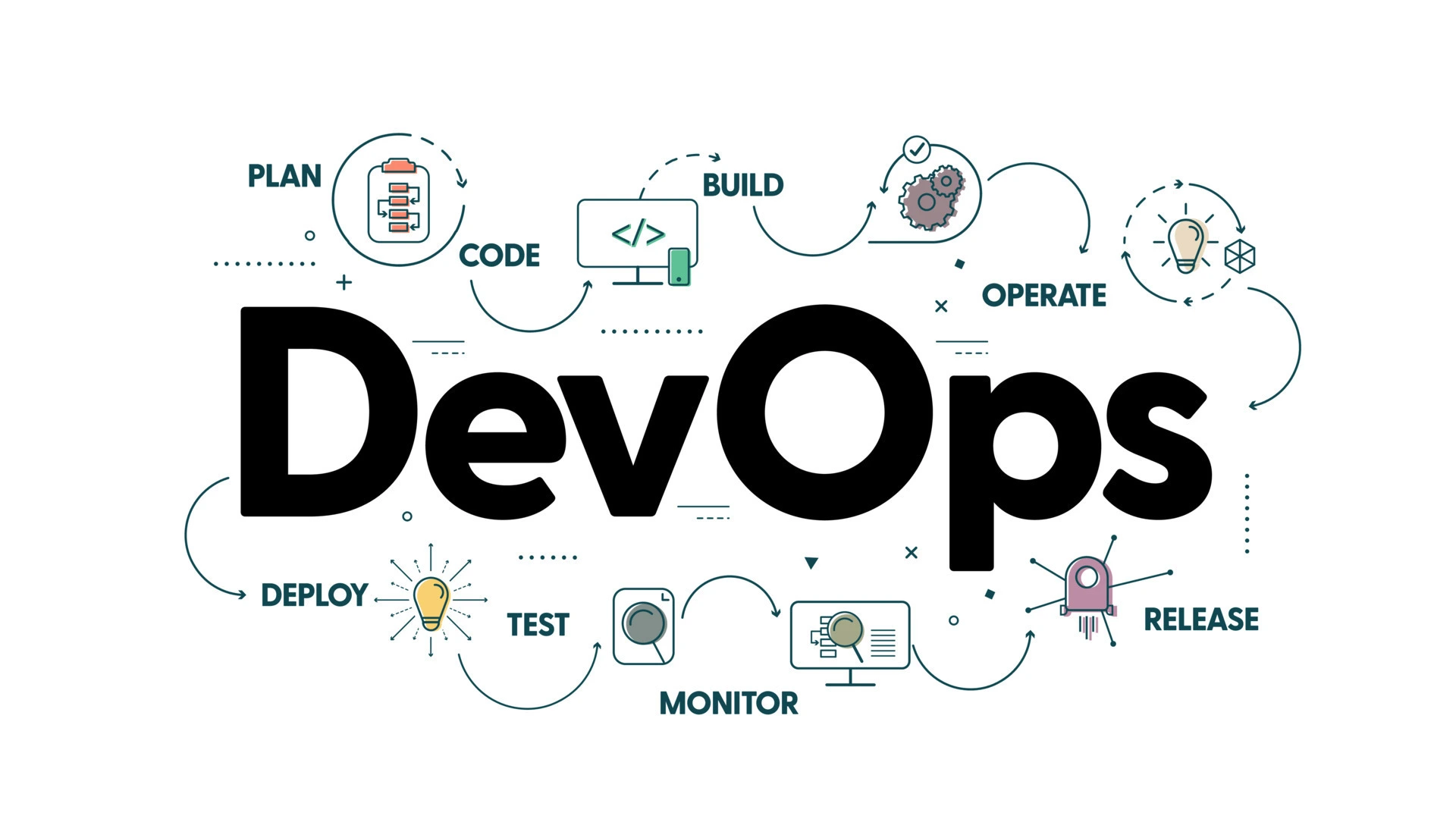
DevOps: Transforming Software Delivery and Shaping Modern IT Careers
In today’s fast-paced digital world, businesses need to deliver high-quality software quickly and reliably. This need has given rise to DevOps—a cultural and technical movement that merges software development (Dev) with IT operations (Ops). In this blog post, we’ll explore what DevOps is, examine the profile of a DevOps professional, highlight its practical uses, and look at the current market demand that’s driving careers in this space.
What is DevOps?
DevOps is more than just a set of tools or processes—it’s a philosophy that emphasizes collaboration, automation, and continuous improvement throughout the software development lifecycle. By breaking down the traditional silos between development and operations teams, DevOps:
- Accelerates Time-to-Market: Continuous integration and continuous delivery (CI/CD) pipelines allow teams to deploy code more frequently and reliably.
- Enhances Quality: Automated testing and monitoring help catch issues early, ensuring that software meets high-quality standards.
- Boosts Efficiency: Through process automation and improved communication, teams spend less time on repetitive tasks and more time innovating.
As companies strive to become more agile and responsive to customer needs, the DevOps approach has become essential for organizations of all sizes.
The DevOps Professional Profile
A modern DevOps professional wears many hats. Here’s a closer look at what defines a DevOps engineer’s role:
Roles and Responsibilities
- Collaboration & Communication: Acting as a bridge between developers, IT operations, and quality assurance teams to ensure a smooth workflow.
- CI/CD Management: Designing, implementing, and maintaining automated pipelines that integrate code changes, run tests, and deploy updates.
- Infrastructure Management: Utilizing cloud platforms (such as AWS, Azure, or GCP) and containerization tools (like Docker and Kubernetes) to create scalable and secure environments.
- Monitoring & Troubleshooting: Continuously monitoring application performance and resolving issues quickly to maintain system reliability.
- Security Integration: Embedding security practices within the development lifecycle—often referred to as DevSecOps—to prevent vulnerabilities.
This blend of technical and soft skills makes DevOps professionals uniquely valuable. Their work not only speeds up the delivery process but also ensures that new features are delivered with stability and security in mind.
Essential Skills
A successful DevOps engineer typically has:
- Technical Proficiency: Strong command over scripting languages (e.g., Python, Ruby, Bash), familiarity with configuration management tools (like Ansible or Puppet), and expertise in version control systems (such as Git).
- Cloud & Container Technologies: Experience with cloud computing and container orchestration to manage complex, distributed systems.
- Automation & CI/CD: Ability to build and maintain automated pipelines that ensure seamless integration, testing, and deployment.
- Soft Skills: Excellent communication, collaboration, and problem-solving skills to manage cross-functional teams and respond to unexpected issues.
Practical Uses of DevOps
DevOps practices have a wide range of applications that are transforming the software industry. Here are some key areas where DevOps makes a significant impact:
Faster Software Releases
By automating repetitive tasks and implementing CI/CD pipelines, DevOps enables organizations to release updates and new features more frequently. This agility is crucial in today’s competitive market, where being first can be a major advantage.
Improved System Reliability
Continuous monitoring and automated testing allow teams to detect and fix issues before they affect end users. This proactive approach leads to fewer disruptions and a more reliable user experience.
Cost Efficiency
Automation reduces the time and manual effort required to manage infrastructure and deployments. This not only cuts operational costs but also frees up team members to focus on strategic initiatives rather than routine tasks.
Enhanced Collaboration
DevOps fosters a culture of shared responsibility. With development and operations working together seamlessly, teams can respond to changes and customer feedback more rapidly, resulting in a product that better meets market demands.
Security and Compliance
Incorporating security practices early in the development cycle (a practice known as “shifting left”) helps organizations identify vulnerabilities sooner. DevSecOps practices ensure that security is built into every stage of the process, safeguarding sensitive data and maintaining regulatory compliance.
The Current Demand for DevOps Professionals
The market for DevOps professionals is booming, and there’s never been a better time to explore a career in this field. Here are some key trends and statistics that highlight the current demand:
- Explosive Market Growth: Recent studies forecast that the global DevOps market is growing at a compound annual growth rate (CAGR) of nearly 20% and is expected to reach multi-billion-dollar valuations in the next few years. citeturn0search3
- High Demand for Talent: According to industry reports, DevOps roles are among the most in-demand positions in the tech sector. Approximately 29% of IT teams have recently recruited a DevOps engineer to address skills gaps and accelerate software delivery. citeturn0search11
- Competitive Salaries: With the shortage of skilled professionals, DevOps engineers command high salaries. Mid-level professionals can expect competitive salary packages that increase with experience and expertise, reflecting the value they bring to organizations. citeturn0search14
- Strategic Importance: Organizations across industries—from startups to large enterprises—are embracing DevOps to streamline operations, reduce time-to-market, and drive digital transformation. This broad adoption is fueling a sustained demand for DevOps expertise.
The growing reliance on cloud technologies, containerization, and automation tools means that companies not only need DevOps engineers to build robust systems but also to continuously evolve these systems to keep pace with technological advancements.
Looking Ahead: The Future of DevOps
As digital transformation continues, the role of DevOps will become even more critical. Future trends include:
- Integration with AI and ML: Artificial intelligence will increasingly support automation in code deployment, monitoring, and testing, enhancing the capabilities of DevOps teams without replacing the need for human oversight.
- Expansion into New Domains: Beyond traditional software applications, DevOps principles are being applied in areas such as mobile app development, IoT, and even cybersecurity, further broadening the scope of opportunities.
- Enhanced Collaboration Tools: With the rise of remote work and distributed teams, the need for tools that facilitate seamless collaboration will drive innovations in the DevOps toolchain.
These developments promise to make the DevOps landscape even more dynamic and challenging, offering exciting career opportunities for professionals ready to embrace continuous learning and adaptation.
Conclusion
DevOps is at the heart of modern software development, transforming the way organizations build, test, and deploy applications. The role of a DevOps professional is multifaceted—requiring a blend of technical skills, strategic thinking, and strong interpersonal abilities. With its proven benefits in speeding up release cycles, improving quality, and driving cost efficiencies, DevOps is not only a powerful methodology for today’s businesses but also a promising career path for IT professionals.
If you’re passionate about innovation, collaboration, and cutting-edge technology, exploring a career in DevOps could be your next big step. Embrace the DevOps culture, and join the revolution that’s shaping the future of software delivery.
Comments & Discussion
Join the conversation! Share your thoughts, ask questions, or provide feedback below.