
Coding Best Practices in the Era of Automation and AI
As software development rapidly evolves, automation and AI tools are revolutionizing the way we code. Tools like GitHub Copilot, SWE-agent, and various CI/CD platforms are streamlining repetitive tasks and accelerating development cycles. However, with these innovations come challenges—especially in maintaining code quality, ensuring security, and fostering a culture of collaboration. In this detailed post, we delve into how developers can adopt AI-powered tools while upholding best practices that keep code robust, secure, and maintainable.
1. Leveraging AI as a Coding Assistant
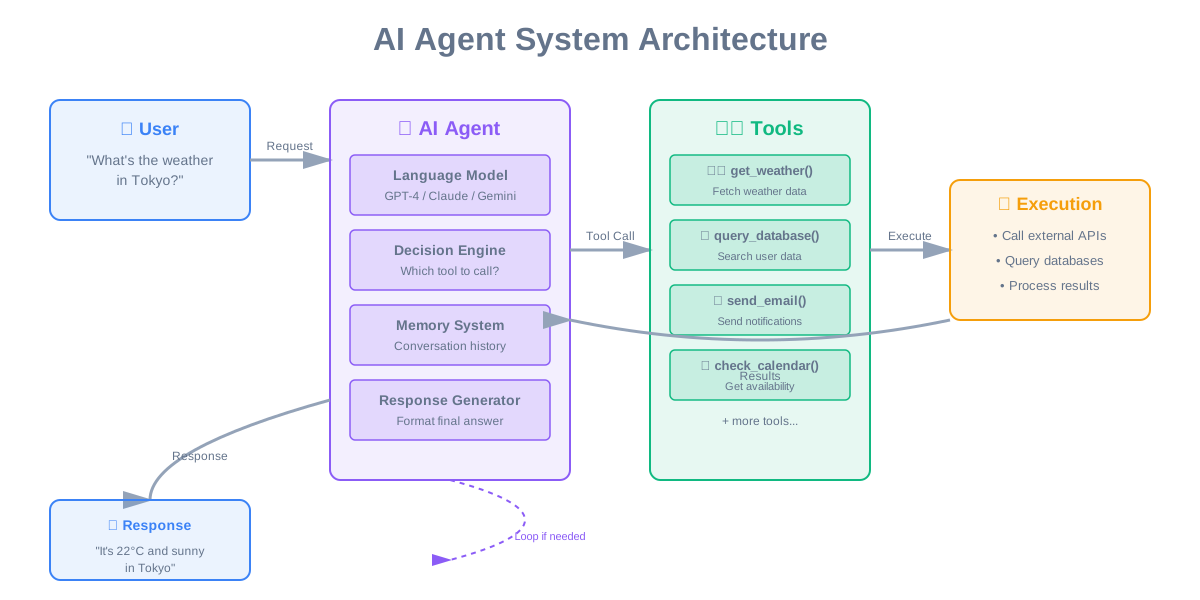
AI-powered tools have become indispensable in modern development workflows. For example:
- GitHub Copilot: Uses machine learning to suggest code snippets, auto-complete functions, and even generate boilerplate code. This allows developers to focus on complex, creative tasks rather than repetitive coding.
- SWE-agent and Similar Tools: Provide context-aware debugging and performance optimization, offering real-time insights to improve code efficiency.
Best Practice:
Use these tools to accelerate your workflow, but always critically review the output. AI suggestions should serve as starting points—customize and validate them to ensure they meet your project’s specific requirements. This human-AI collaboration boosts productivity while ensuring the code adheres to your quality standards.
2. Prioritizing Code Quality and Peer Reviews
Even with AI assistance, human oversight is critical for high-quality software:
- Automated Linting and Static Analysis: Tools like ESLint, Pylint, or SonarQube catch syntactical errors and enforce coding standards automatically.
- Code Reviews: Regular peer reviews help detect subtle bugs and maintain consistency across the codebase. Pair programming and collaborative platforms (like GitHub pull requests) foster shared ownership and cross-functional learning.
Best Practice:
Establish a robust code review process. Use automation to handle routine checks, but ensure that senior developers or team leads conduct thorough manual reviews, especially for critical modules or when integrating AI-generated code. This combination minimizes errors and maintains code integrity.
3. Implementing Comprehensive Testing Strategies
Testing remains the cornerstone of reliable software, especially when automation accelerates development cycles:
- Unit Testing: Write tests for individual functions and components using frameworks such as JUnit for Java, pytest for Python, or Jest for JavaScript. These tests ensure that every part of your code behaves as expected.
- Integration Testing: Verify that different modules work together seamlessly. Tools like Postman for API testing or Selenium for end-to-end testing help catch integration issues early.
- Continuous Testing in CI/CD Pipelines: Incorporate automated tests into your CI/CD pipelines. This ensures that every code change is validated before merging into the main branch, reducing the risk of deploying defective code.
Best Practice:
Adopt a layered testing strategy—combine automated tests with periodic manual testing sessions. Regularly update your test suites to cover new features, and integrate AI-driven testing tools to identify edge cases that might slip through traditional testing methods.
4. Embedding Security into the Development Lifecycle
Security is non-negotiable in an AI-driven environment. With rapid automation, there is a risk of inadvertently introducing vulnerabilities:
- Static and Dynamic Application Security Testing (SAST & DAST): Use tools like SonarQube for static analysis and OWASP ZAP for dynamic testing. These tools help identify security flaws early in the development process.
- DevSecOps Practices: Shift security left by integrating automated security checks into your CI/CD pipeline. This means running security scans as part of every build and deployment process.
- Code Quality and Access Controls: Implement secure coding guidelines and restrict access to sensitive parts of the codebase. Regularly update dependencies to avoid known vulnerabilities.
Best Practice:
Regularly audit your code for security vulnerabilities and enforce a culture where security is everyone’s responsibility. Use AI tools not only for code generation but also for proactive vulnerability scanning, and always follow up with manual reviews to ensure no critical issue is overlooked.
5. Maintaining Clear and Up-to-Date Documentation
Documentation is vital in ensuring long-term maintainability and team efficiency:
- AI-Assisted Documentation: Leverage AI tools to generate initial drafts of documentation and inline comments. Tools like Doxygen or Sphinx can help automate parts of this process.
- Manual Refinement: While AI can speed up documentation creation, human input is needed to ensure clarity, context, and accuracy. Well-documented code aids onboarding, debugging, and future enhancements.
- Living Documentation: Treat documentation as an evolving artifact. Regularly update it to reflect changes in code, processes, and best practices.
Best Practice:
Incorporate documentation as a key deliverable in your development cycle. Use version control for documentation, and encourage team members to contribute to it. This ensures that as your codebase grows and evolves, everyone remains on the same page.
6. Fostering Continuous Learning and Collaboration
The fast-paced nature of AI and automation demands a culture of continuous improvement:
- Regular Training: Stay updated on the latest tools, languages, and frameworks. Platforms like Coursera, edX, and Udemy offer courses on modern development practices, including AI-assisted coding.
- Knowledge Sharing: Create opportunities for team members to share insights, such as regular code review sessions, tech talks, or collaborative workshops.
- Community Engagement: Participate in developer communities, forums, and conferences. Engaging with other professionals can expose you to new ideas and emerging best practices.
Best Practice:
Cultivate an environment where continuous learning is valued. Encourage team members to experiment with new tools and share their experiences. This not only helps in keeping up with technological advancements but also promotes innovation and team cohesion.
Conclusion
The integration of AI and automation into coding has ushered in a new era of software development—one where productivity is enhanced, and development cycles are significantly shortened. However, these benefits come with the responsibility of maintaining high standards in code quality, security, and documentation. By leveraging AI tools as intelligent assistants, implementing robust review and testing processes, and fostering a culture of continuous learning and collaboration, developers can navigate the challenges of this evolving landscape.
The future of coding is AI-powered, but the human element remains irreplaceable. It is the creativity, strategic thinking, and ethical oversight of developers that ensure these technologies are used to build innovative, secure, and high-quality software solutions.
Embrace these best practices to not only keep pace with technological advancements but also to drive your projects to new heights of excellence. Happy coding!
Comments & Discussion
Join the conversation! Share your thoughts, ask questions, or provide feedback below.